
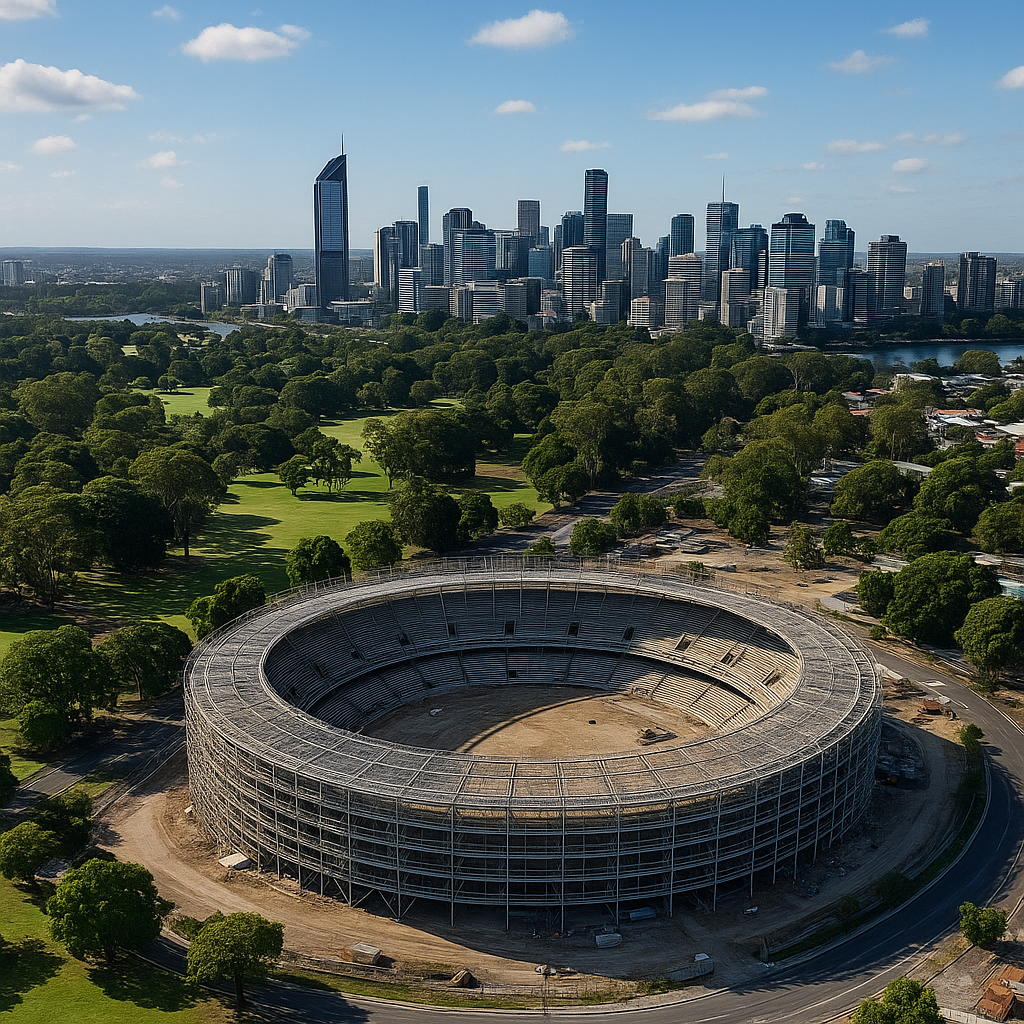
As Queensland property lawyers, we are watching closely as the Brisbane 2032 Olympic stadium project becomes the subject of an important legal dispute. The planned 63,000-seat stadium at Victoria Park has drawn challenges from the Yagara Magandjin Aboriginal Corporation (YMAC) and local advocacy groups, who have asked the Federal Government to intervene under the Aboriginal and Torres Strait Islander Heritage Protection Act 1984 (Cth).
This case highlights why cultural heritage protection is not just a political talking point — it is a real legal issue that can directly impact property development, infrastructure projects, and even individual property buyers in Queensland.
What is a Cultural Heritage Protection Declaration?
Under the Heritage Protection Act, the Federal Environment Minister has the power to issue a declaration (sometimes referred to as a protection “order”) to protect areas or objects of particular significance to Aboriginal or Torres Strait Islander people.
- Who can apply? An Aboriginal person, group, or organisation representing Traditional Owners may apply.
- What can be protected? Land, trees, artefacts, sacred sites, or even ancestral remains.
- How long does protection last? Emergency declarations can last for up to 30 days (extendable to 60 days). Longer-term declarations can remain in place while the risk continues.
- What are the penalties? Breaching a declaration is a criminal offence and can carry significant penalties, including imprisonment.
This legislation operates at a federal level, which means it can override or restrict state government approvals.
Why Does This Matter for Queensland Property and Development?
The Victoria Park stadium dispute is a reminder that even when a project has state approval, federal cultural heritage laws can intervene. For developers, investors, and landowners, this creates real-world risks:
- Project delays – applications for cultural heritage protection can halt works until the Minister decides.
- Design changes or cancellations – if a declaration is issued, developments may need to be altered or abandoned.
- Financial impact – cost overruns, disputes with contractors, and loss of investor confidence are common consequences.
- Reputational risk – ignoring heritage concerns can attract negative publicity and community opposition.
For everyday property buyers, cultural heritage issues often surface in due diligence and disclosure. For example, under Queensland’s new Seller Disclosure Statement (Form 2) regime (effective from 1 August 2025), sellers must disclose matters such as easements, planning restrictions, and risks affecting the land. While Form 2 does not replace federal heritage protections, both frameworks reflect a clear trend: greater transparency and stronger safeguards for land use in Queensland.
Lessons for Buyers, Investors and Developers
The Victoria Park case demonstrates that:
- Cultural heritage is a legal risk factor – not just a community concern.
- Federal laws may override state approvals, even when planning exemptions are granted.
- Due diligence must go beyond zoning and title searches – buyers and developers should actively consider cultural heritage, environmental, and Indigenous land rights issues.
- Early engagement with Indigenous groups can reduce the risk of disputes and delays.
How Ensure Legal Can Help
At Ensure Legal, we work with property buyers, investors, and developers across Queensland to manage legal risks in property transactions and development projects.
- For developers, we provide advice on planning approvals, cultural heritage obligations, and disclosure requirements.
- For investors and buyers, we ensure that all risks are identified in the Seller Disclosure Statement and addressed before contracts are signed.
The Brisbane Olympics will bring enormous opportunities to Queensland, but as this stadium dispute shows, development must balance progress with heritage protection. Legal compliance is not optional — it is the foundation for sustainable investment.
Final Word
If you are considering property investment, development, or infrastructure projects in Queensland, make sure you understand how cultural heritage laws and the new seller disclosure framework may affect your rights and obligations.
Contact Ensure Legal for clear, practical advice tailored to your property goals.